Table of Contents
Why Instagram Stories Matter More Than Ever
The Psychology Behind Why People Keep Watching Stories
The First-Story Rule: Winning Attention Instantly
Curiosity Loops and Open Gaps
Cognitive Load: Why Simple Stories Perform Better
Emotional Triggers That Increase Story Completion
Pacing, Pattern Interrupts, and Story Length
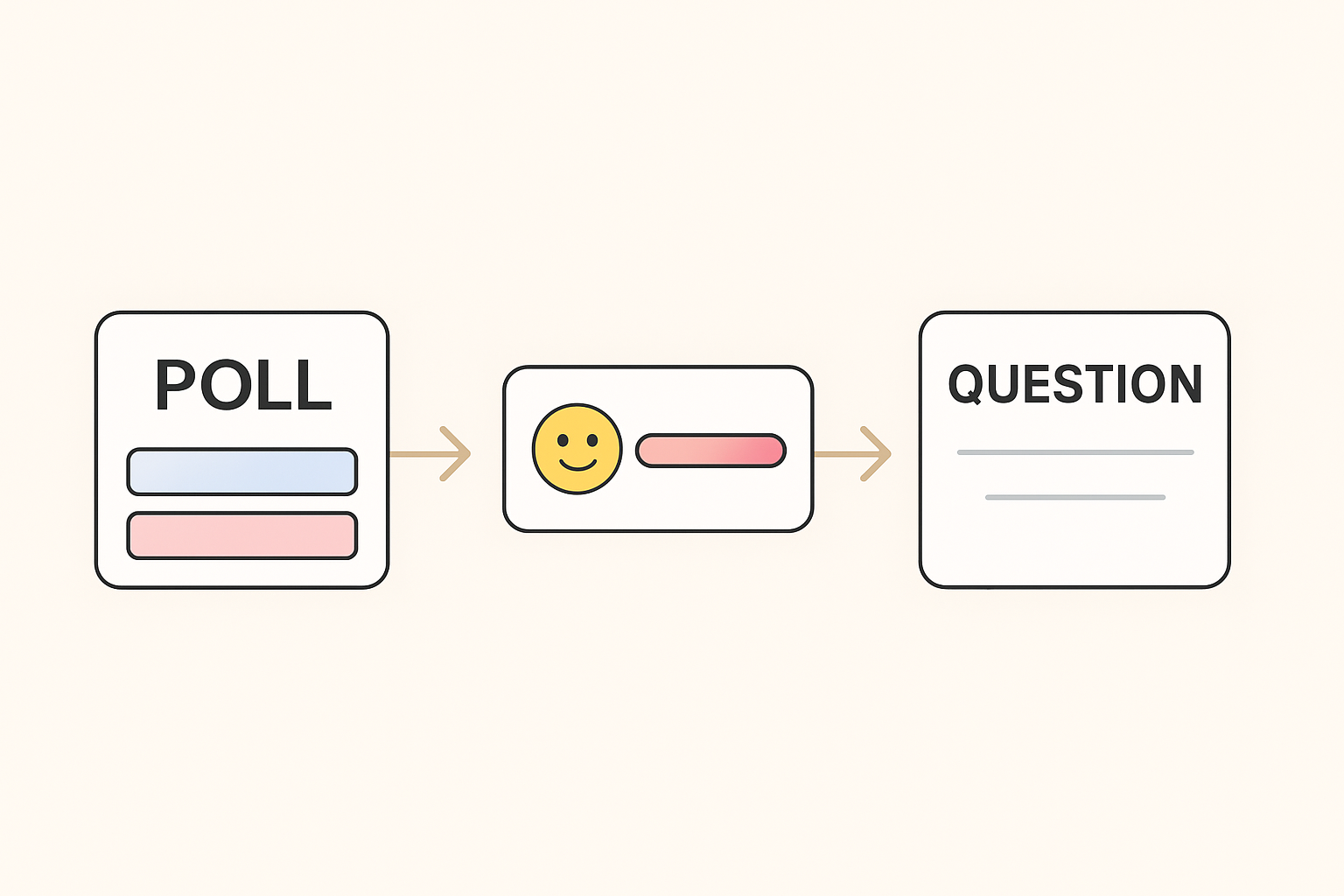
Interactive Stickers and Behavioral Commitment
Common Mistakes That Kill Story Retention
Final Takeaway
1. Why Instagram Stories Matter More Than Ever
Instagram Stories are no longer just casual updates. For creators, brands, and businesses, Stories are now one of the strongest tools for daily engagement, relationship-building, and conversion.
Unlike feed posts, Stories appear at the top of the app and are consumed in sequence. This gives creators a rare advantage: once someone starts watching, you can guide their attention if you understand the psychology behind it.
The real challenge is not getting views.
The real challenge is keeping people watching until the last frame.
2. The Psychology Behind Why People Keep Watching Stories
People don’t watch Stories logically. They watch them emotionally and habitually.
Three psychological forces drive Story consumption:
Sequential Bias
Once someone starts watching a Story, the brain prefers to continue rather than stop mid-sequence. This is why completion rate matters more than individual slide views.
Micro-Commitment
Each tap forward is a tiny commitment. The easier and more rewarding each slide feels, the more likely the viewer is to continue.
Reward Expectation
Viewers subconsciously ask: “Will the next slide give me something useful, entertaining, or interesting?”
Your job is to consistently answer yes.
3. The First-Story Rule: Winning Attention Instantly
The first Story determines whether the rest will be watched.
Effective first Stories usually do one of the following:
Ask a direct, relevant question
State a clear benefit
Create curiosity without confusion
Examples:
“Most people use Instagram Stories wrong. Here’s why.”
“If your Stories get skipped, this is probably the reason.”
Avoid:
Greetings without context
Aesthetic visuals with no message
Long introductions
Clarity beats creativity at this stage.
Supporting insight:
Meta has shared that early engagement signals—such as taps forward vs. exits—strongly influence how often your future Stories are shown to followers. A clear first slide reduces early exits and improves overall completion rate.
Image placement suggestion:
A minimal graphic showing two Story slides side by side: one vague aesthetic slide vs. one clear hook-based slide.
4. Curiosity Loops and Open Gaps
Curiosity is one of the strongest drivers of Story retention.
An open loop is created when you:
Introduce an idea
Delay the conclusion
Promise resolution later
Example flow:
Slide 1: “This one mistake is killing your Story views.”
Slide 2: “It’s not your content. It’s your pacing.”
Slide 3: Explanation
The key is balance. Open loops must be resolved quickly, or viewers lose trust.
5. Cognitive Load: Why Simple Stories Perform Better
The brain avoids effort.
Stories with:
Too much text
Multiple ideas per slide
Complicated visuals
increase cognitive load and lead to skips.
High-performing Stories usually follow these rules:
One idea per slide
Large, readable text
Clear visual hierarchy
Instagram itself has emphasized that content which is easy to consume leads to higher completion and interaction rates, especially on mobile-first formats like Stories.
Supporting insight:
Research across social platforms consistently shows that reducing cognitive load increases retention and recall—making simplicity a performance advantage, not a creative limitation.
Image placement suggestion:
Simple diagram illustrating “High Cognitive Load → Skips” vs “Low Cognitive Load → Completion.”
6. Emotional Triggers That Increase Story Completion
Stories that trigger emotion are remembered longer and watched further.
Effective emotional triggers include:
Relatability (“This happens to everyone…”)
Validation (“You’re not doing it wrong…”)
Anticipation (“Wait for the next slide…”)
Transformation (“Here’s what changed everything…”)
Emotion doesn’t mean drama. It means connection.
7. Pacing, Pattern Interrupts, and Story Length
Ideal Story sequences are short but intentional.
Best practices:
5–9 slides per sequence
Visual variation every 1–2 slides
Mix of talking, text, and visuals
Pattern interrupts—like a sudden question, poll, or format change—reset attention and reduce drop-off.
8. Interactive Stickers and Behavioral Commitment
Interactive elements don’t just boost engagement—they increase retention.
Why?
When someone:
Votes in a poll
Slides an emoji
Taps a question sticker
They are more likely to continue watching because they’ve already invested effort.
This is known as behavioral commitment: once people take a small action, they are psychologically inclined to stay involved.
Instagram has indicated that meaningful interactions such as poll responses and replies are strong relevance signals that can improve Story distribution.
Supporting data point:
Meta has stated that Stories generating replies and interactive actions are more likely to be shown higher in the Story tray for followers.
9. Common Mistakes That Kill Story Retention
Posting without a clear sequence
Overloading slides with information
Using tiny or hard-to-read text
Making Stories too long without payoff
If viewers don’t know why they should keep watching, they won’t.
10. Final Takeaway
Keeping people watching Instagram Stories is not about aesthetics or frequency.
It’s about understanding how attention works:
Clear starts
Simple progression
Emotional connection
Psychological momentum
When Stories feel effortless to consume and rewarding to finish, viewers stay.
And completion is what turns casual viewers into loyal followers.