- What the DM Funnel Actually Is
- Step 1: Engineer DM Entry Points Inside Your Content
- Step 2: Replace Pitching With Diagnostic Conversations
- Step 3: Use Micro-Commitments Before Offers
- Step 4: Present the Offer as a Continuation, Not a Pitch
- Step 5: Systemize Without Killing Authenticity
- Advanced DM Funnel Optimization
- The Strategic Advantage of DM-Based Conversion
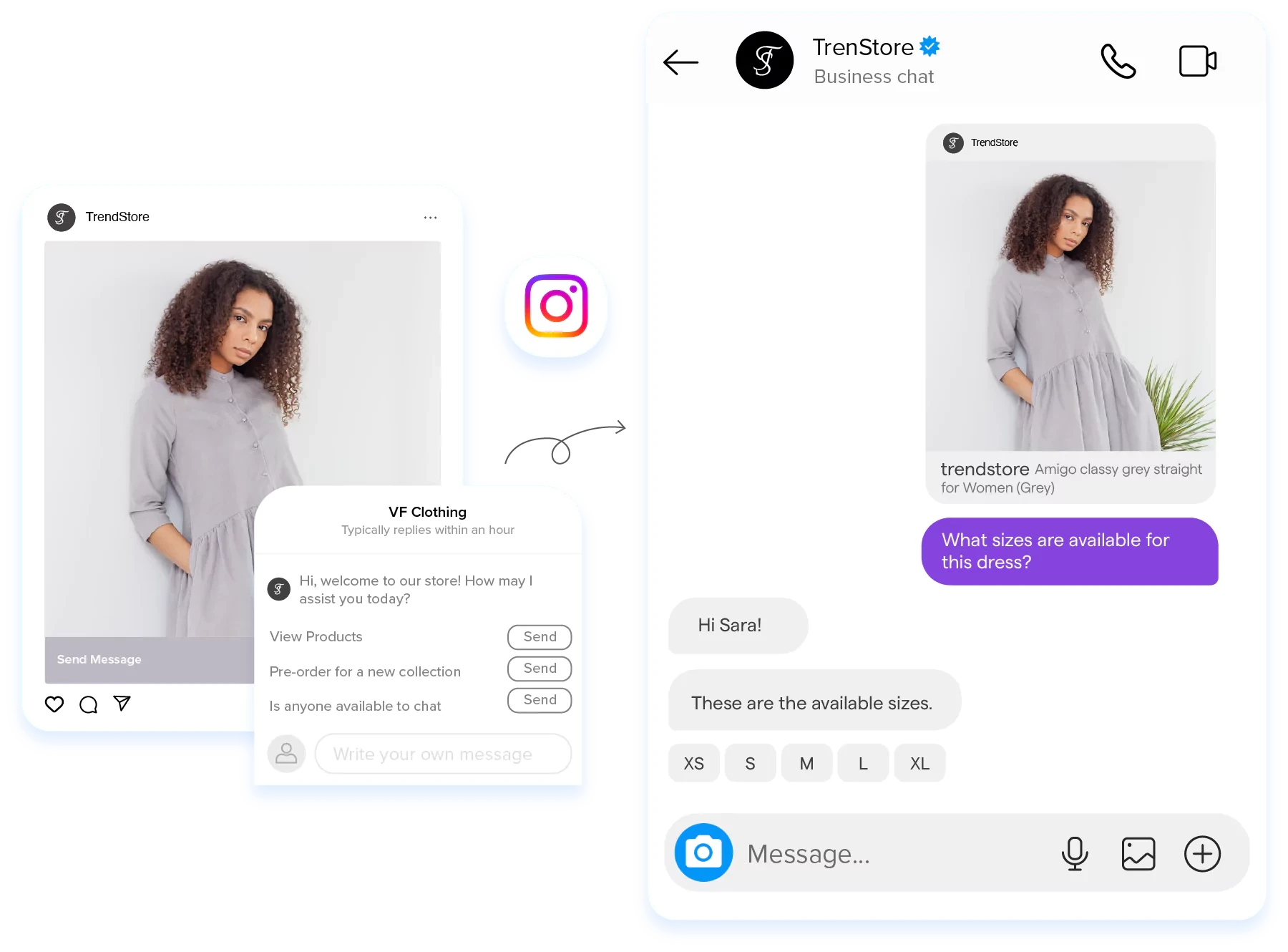
The most profitable creators do not sell in public feeds. They qualify, warm, and convert inside private conversations.
Most creators misunderstand what a DM funnel actually is. It is not about sending cold pitches. It is not about automated spam. And it is not about closing in the first message.
Instead, the DM funnel is a controlled transition from public attention to private intent.
When executed correctly, it feels natural. The prospect feels understood. The sale becomes a logical next step rather than a forced transaction.
What the DM Funnel Actually Is
A DM funnel is a private conversion system that begins with engagement signals and ends with qualified buying intent.
Public content builds authority and curiosity. Direct messages build clarity and commitment.
The process typically follows four stages:
Stage | Objective | What Happens |
|---|---|---|
Attraction | Spark relevance | Content triggers replies or profile visits |
Entry | Start conversation | Prospect sends DM or responds to prompt |
Qualification | Identify intent & fit | You ask strategic questions |
Conversion | Offer solution | You position your service naturally |
The power lies in the transition from public to private. While content scales attention, DMs scale trust.
If you have read How to Create Reels That Bring Followers, Not Just Views, you already understand that views alone are useless without movement. The DM funnel is that movement.
Step 1: Engineer DM Entry Points Inside Your Content
Most creators wait for random messages. That is passive and inconsistent.
Instead, you design frictionless entry triggers.
High-performing entry mechanisms include:
• Call-to-action comments such as “Comment GUIDE and I’ll DM you”
• Curiosity gaps that require clarification
• Polls or Stories that invite responses
• Mini-case studies that provoke questions
• Light qualifying prompts such as “DM me ‘scale’ if this sounds like you”
This works because it filters for intent. Someone who takes action is already slightly invested.
There is a strong overlap here with The Scroll-Stopping Formula: how to make people STOP instantly, because if the content does not earn attention first, there is no conversation to begin.
The goal is not volume. It is relevance.
Step 2: Replace Pitching With Diagnostic Conversations
This is where most creators fail.
They jump into explanation mode. They over-describe their service. They try to prove expertise immediately.
A strong DM funnel does the opposite.
It asks questions.
Instead of saying:
“I help coaches grow to 10k months”
You ask:
“What’s your biggest bottleneck right now?”
Instead of:
“I run ads and optimize funnels”
You ask:
“How are you currently generating leads?”
This shifts the dynamic from persuasion to problem-solving.
Psychologically, people value solutions more when they articulate the problem themselves. This aligns with research from https://www.apa.org on commitment and self-persuasion principles.
The conversation should follow this rhythm:
Clarify the goal
Identify the gap
Surface the cost of inaction
Position the solution
Notice that you are not convincing. You are diagnosing.
Step 3: Use Micro-Commitments Before Offers
Many creators jump from conversation to price.
That leap kills conversion.
Instead, introduce micro-commitments:
• “Want me to show you what I’d adjust first?”
• “Should I break down how I’d approach this?”
• “Would you like to see a quick outline?”
These small yes responses build momentum. They reduce resistance before presenting an offer.
Step 4: Present the Offer as a Continuation, Not a Pitch
A weak close sounds like this:
“I offer coaching for $1500 if you’re interested.”
A strong close sounds like this:
“Based on what you said, the issue is positioning and retention. That’s exactly what I work on with clients inside my 8-week program. Would you like details?”
See the difference. The offer is contextual.
The conversation created the need.
Step 5: Systemize Without Killing Authenticity
Automation is helpful. Automation is also dangerous.
Auto-responses can qualify initial intent, but real conversion requires human nuance.
The ideal system:
• Automated trigger
• Manual qualification
• Structured response templates
• Personalized closing
This creates scale without sounding robotic.
If your broader content strategy is aligned with frameworks discussed on Reachism, particularly around authority-building and structured growth, the DM funnel becomes an extension of your positioning rather than a separate tactic.
Advanced DM Funnel Optimization
For intermediate and advanced creators, the edge comes from measurement.
Track:
• DM entry rate per 1,000 views
• Qualification-to-offer ratio
• Offer-to-close ratio
• Average conversation length
• Revenue per conversation
These metrics reveal bottlenecks.
For example:
Problem | Likely Cause | Adjustment |
|---|---|---|
High DM volume, low closes | Weak qualification | Improve diagnostic questions |
Low DM entry | Content lacks trigger | Strengthen call-to-action |
Long conversations, no decision | No micro-commitments | Add staged yes steps |
This mirrors principles from YouTube SEO: keywords, metadata & search hacks that still work, where structured optimization replaces guesswork.
The DM funnel is not random messaging. It is conversion architecture.
The Strategic Advantage of DM-Based Conversion
Unlike traditional funnels that depend on landing pages and cold ads, DM funnels operate inside platforms where trust is already established.
The cost is lower.
The friction is lower.
The personalization is higher.
Moreover, as algorithms evolve, private interactions often strengthen account relevance signals. Platforms reward conversations because they indicate meaningful engagement.
Therefore, DMs are not just for closing. They are also growth drivers.