Not every TikTok video reaches the audience it deserves. Behind the scenes, TikTok uses a complex relevance system to decide which videos get pushed and which get overlooked. In this article, we break down how the algorithm evaluates your content, why some videos hit while others miss, and actionable strategies to improve your reach and engagement.
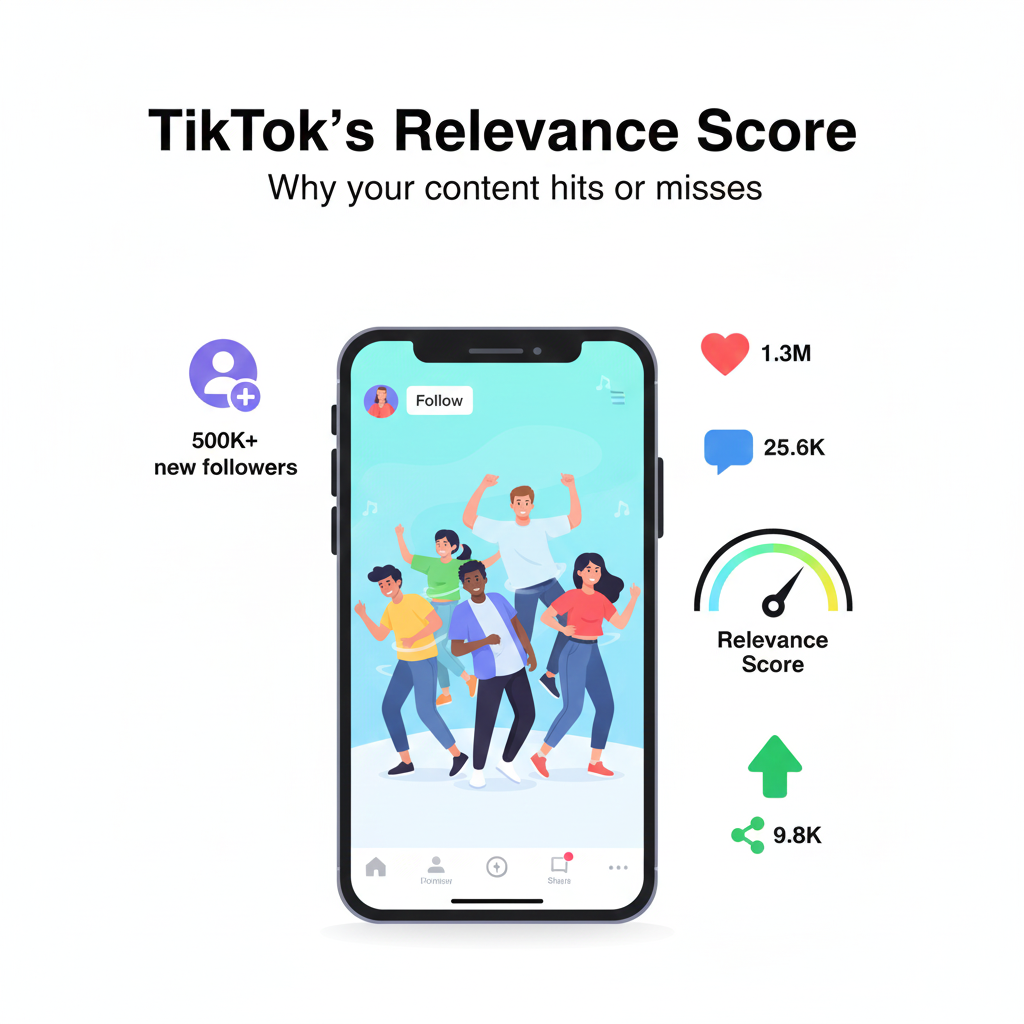
What is TikTok’s Relevance Score?
TikTok doesn’t publicly show a “relevance score,” but creators can infer it from performance patterns. The algorithm predicts how likely a viewer is to interact positively with a video, and if the predicted interaction is high, TikTok distributes the video more widely.
Algorithm Inputs: TikTok looks at a combination of viewer behavior and video characteristics:
Viewer behavior: Previous watch history, likes, shares, comments, completion rates, and whether a viewer replays a video.
Video characteristics: Captions, hashtags, sounds, effects, topics, and even the upload time.
Why It Matters: A video with high relevance is more likely to get a larger audience. Even if two videos are identical in quality, the one that matches audience interest and trends will spread faster.
Practical Example:
If you create a cooking video on “vegan desserts,” the algorithm checks who engages with vegan content. If your hashtags, caption, and content match these users’ interests, TikTok boosts it to them. A mismatch like using general “dessert” hashtags might reduce its reach.
Why Content Hits or Misses
A video can fail not because it’s bad but because it doesn’t align with TikTok’s prediction of audience interest.
Key Subsections:
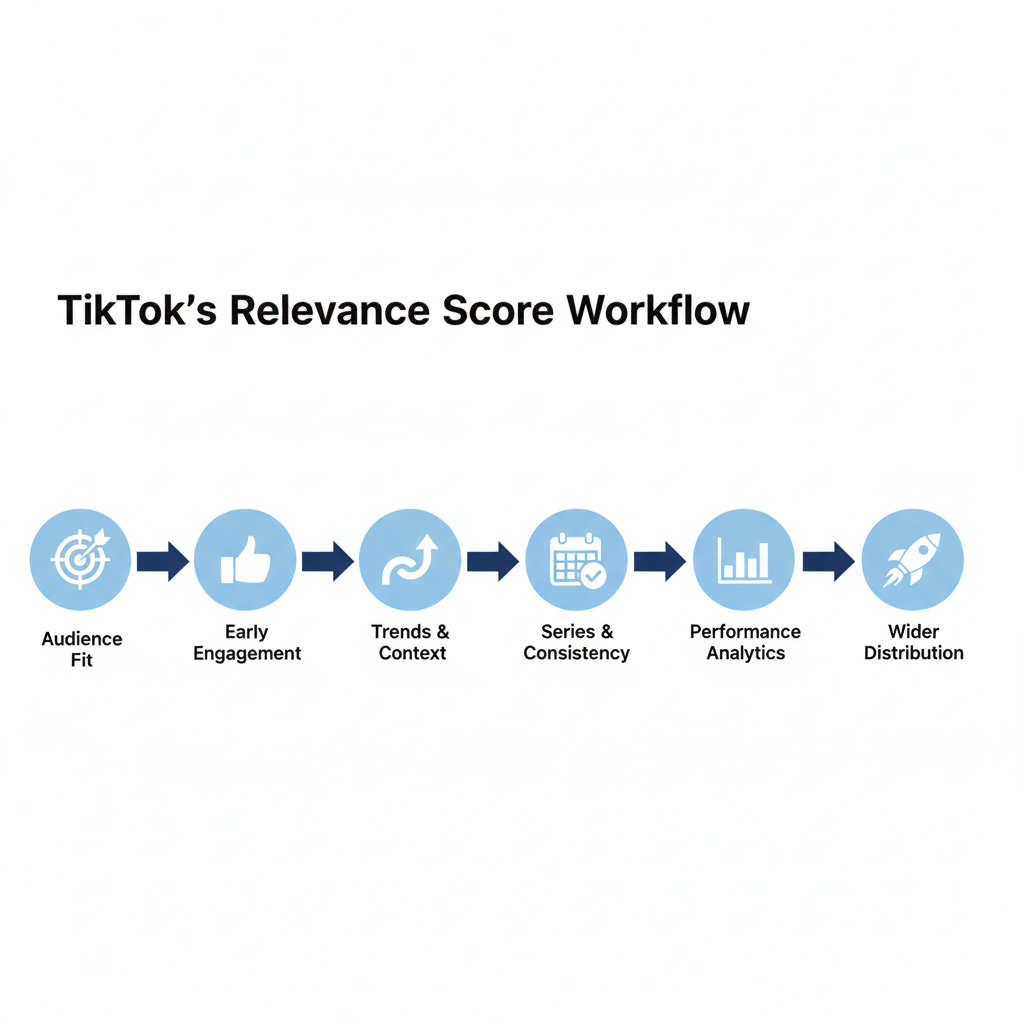
a) Audience Fit
TikTok evaluates whether your video reaches people who are likely to enjoy it.
Broad or vague hashtags can misguide the algorithm.
Why Hookless Reels Sometimes Perform Better illustrates how audience signals can outweigh fancy production.
Example:
A fitness video tagged with “funny memes” might reach comedy lovers, not fitness enthusiasts, resulting in poor engagement.
b) Engagement Signals
Early engagement is critical likes, shares, comments, watch time, and replays inform TikTok if a video deserves wider distribution.
How to Make Reels People Watch Twice provides actionable techniques to improve early viewer action.
Example:
Two identical makeup tutorials are posted. The one with a strong opening hook gets more comments in the first 15 minutes and gets pushed to more users.
c) Content Context
External factors like trends, seasonality, device, and time of day affect performance.
Even great content can underperform if posted off-trend.
Example:
A summer skincare tip posted in winter might not perform well because audience interest is low.
How to Improve Your Relevance Score
a) Optimize for Audience Fit
Use specific, niche hashtags instead of broad terms.
Include clear, actionable captions describing the value.
Align content with trending topics relevant to your target audience.
Example:
A vegan recipe creator using #VeganDesserts instead of #Desserts ensures the video reaches people who are most likely to engage.
b) Focus on Early Engagement
Hook immediately: Capture attention in the first 2–3 seconds.
Prompt interaction: Ask questions, use polls, or encourage comments.
Deliver immediate value: Tips, quick solutions, or surprising facts.
Example:
A skincare video starting with: “Stop wasting money on these 3 creams!” grabs attention and encourages viewers to comment with their experiences.
c) Leverage Trends and Context
Incorporate trending sounds, challenges, or effects.
Post when your audience is most active.
Monitor trends via TikTok’s Discover page or TikTok For Business Insights.
Example:
Posting a dance challenge when it’s trending ensures higher initial engagement and relevance.
d) Consistency and Series
TikTok favors creators with consistent content in a niche.
Use series videos to signal expertise and keep viewers coming back.
Example:
A five-part series on beginner yoga helps both viewers and the algorithm understand your niche, improving distribution.
e) Analyze Performance and Iterate
Use TikTok Analytics to track metrics like watch time, completion rate, CTR, and engagement.
Identify top-performing videos and replicate patterns in hooks, hashtags, captions, and timing.
TikTok “Value Density”: packing more into every second shows how concise content improves performance.
Example:
If comedic skits perform better than lifestyle vlogs for your audience, prioritize skits and adjust topics, hooks, and captions accordingly.
How Reachism Fits In
While TikTok’s relevance algorithm determines ultimate distribution, Reachism can give videos early visibility through initial likes, views, and shares. This early momentum boosts engagement signals, helping the algorithm evaluate the content more favorably.
Example:
Think of Reachism like a “jump start” for a car. It doesn’t drive the car for you, but it helps get your video moving faster in front of the right audience.
Key Takeaways
Relevance Score determines distribution based on audience fit and engagement signals.
Misalignment with trends, poor early engagement, or off-topic hashtags can limit reach.
Optimize for hooks, audience fit, early engagement, trends, and series.
Track metrics and iterate continuously.
Use tools like Reachism strategically for early visibility.